Loading...
English (US)
Español
On June 5, 2026, in a historic decision, the entire island of Aruba was officially approved as a UNESCO Biosphere Reserve. This designation recognizes Aruba’s commitment to integrating biodiversity conservation, cultural heritage, and sustainable development, placing it within UNESCO’s prestigious World Network of Biosphere Reserves. Aruba is one of just two island nations globally to have its entire territory designated as a Biosphere Reserve.
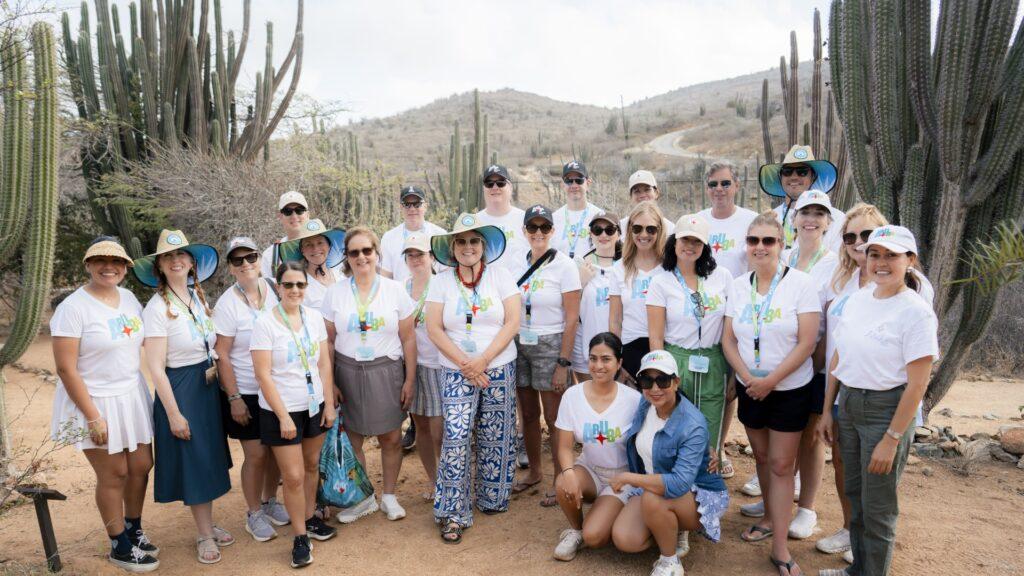
Aruba boasts extraordinary natural contrasts and remarkable biodiversity. Its semi-arid landscapes harbor exceptional living heritage, including towering cacti, unique desert-adapted plants, and over 30 endemic species, including 10 of the world’s 16 species of terns that rely on Aruba as a breeding ground. Along the coastline, mangroves and seagrass beds serve as crucial nurseries for marine life. These ecosystems not only protect rare and endemic species but also support livelihoods, enhance resilience against storms, and preserve Aruba’s rich natural and cultural heritage.
Home to approximately 108,000 inhabitants, this designation marks a pivotal moment for Aruba and the wider Caribbean region.